Ghassoul - also written rhassoul or rassoul - is one of the few cosmetic ingredients that comes from a single country. It's a natural clay mined in Morocco, used for generations to wash hair and skin without soap. For brands and spas it's an easy product to love: simple, natural, and with a strong story.
It's also an ingredient where quality varies a lot. This guide covers what buyers should know before ordering in bulk.
What Ghassoul Clay Is
Ghassoul is a **magnesium-rich mineral clay** extracted from deposits in the Atlas Mountains region of Morocco. Mixed with water, it turns into a smooth paste that cleanses and absorbs excess oil. Its INCI name is usually **Moroccan Lava Clay**.
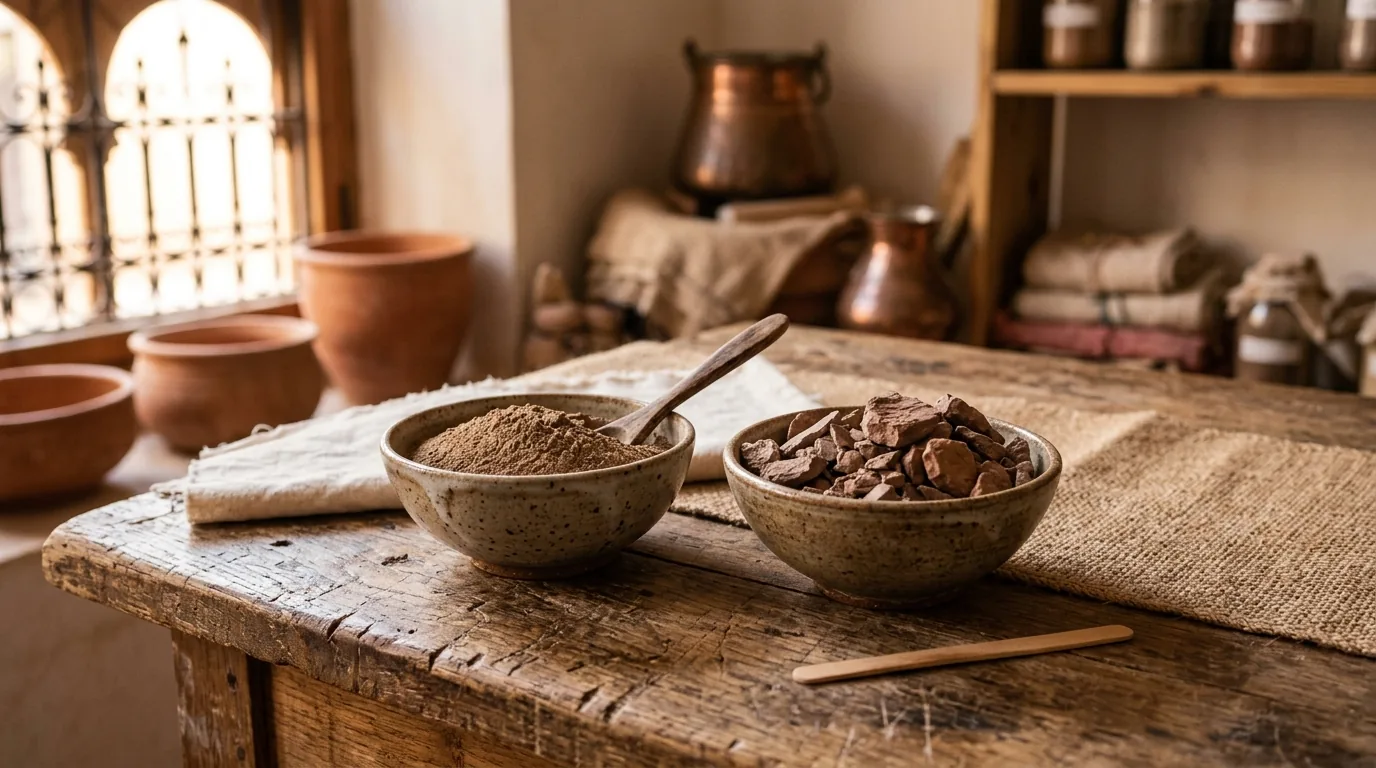
Traditionally, families bought raw ghassoul stones at the souk, soaked them, and sometimes mixed them with herbs and flower water. Today most buyers want a ready-to-use powder.
The Forms of Ghassoul - and Who Each Is For
| Form | What it is | Best for |
|---|---|---|
| Raw stones / chunks | Clay as it comes after drying | Traditional retail, souvenir and heritage lines |
| Flakes | Broken pieces, easy to soak | Spas that prepare clay fresh |
| Fine powder | Ground and sieved clay | Masks, formulations, retail jars |
| Ready-to-use paste | Clay already mixed with water or floral water | Spas and retail that want convenience |
| Blends | Clay with rose, herbs or other ingredients | Branded masks and hammam kits |
**Tip:** powder fineness matters. A coarse powder feels gritty on the face; a very fine one mixes smoothly. Ask your supplier how the powder is sieved and request a sample of the exact grade you'll receive.
Quality Checks That Matter
Buying in bulk or under your own label?
Explore our Marrakech manufacturing, custom formulations, and white-label services.
This is where experienced buyers and first-time buyers differ.
1. Purity and texture
No sand, grit or small stones. Rub a wet pinch between your fingers: it should feel silky.
2. Colour and smell
Natural ghassoul is brownish-grey to beige, with a neutral earthy smell. A strong or unusual smell deserves questions.
3. Moisture
Powder should be dry and free-flowing. Lumps can mean moisture, which can lead to microbial growth during storage.
4. Microbiological testing
Clays come from the ground, so they can carry natural microorganisms. For cosmetic use - especially if you sell it under your brand - ask whether the clay is tested for microbiology and request the results for your batch.
5. Heavy metals testing
Natural clays can contain trace metals. Brands selling in regulated markets should ask for a heavy metals analysis and keep it in their product file. This is one of the most important documents for a clay product, and many suppliers don't offer it unless asked.
What Ghassoul Does - and What Not to Promise
Ghassoul **cleanses the skin and hair and absorbs excess oil** without soap, leaving the skin feeling clean and soft. That's its traditional and cosmetic role.
Many websites claim ghassoul "detoxes the body" or "removes toxins". Those are not cosmetic claims and can create problems with regulators. Stick to what the product does on the skin's surface: cleanses, absorbs oil, softens.
How It's Used
- Face mask: mix 1-2 tablespoons with water or rose water into a smooth paste, apply, leave a few minutes, rinse before it dries completely.
- Hair wash: a thinner paste massaged into wet hair and scalp, then rinsed thoroughly.
- Hammam body mask: after black soap and kessa exfoliation.
Always mix with a non-metal bowl and spatula - it's a traditional habit that many spas keep.
Buying Ghassoul in Bulk: Checklist
- Which form and grade do you need (powder fineness, flakes, paste)?
- Can you get a sample from the batch you'll buy?
- Which tests come with the batch (microbiology, heavy metals)?
- Which bulk formats are available (bag sizes, lined bags, cartons)?
- What are the storage recommendations and shelf life?
We supply ghassoul in bulk and under private label - see our [products catalog](/products/) and [private label service](/private-label-moroccan-cosmetics/).
FAQ
Is ghassoul the same as rhassoul?
Yes. Ghassoul, rhassoul and rassoul are different spellings of the same Moroccan clay.
Can ghassoul be used on hair?
Yes. It's traditionally used as a natural hair wash. Rinse thoroughly.
Does ghassoul expire?
Dry powder keeps well when stored closed and dry. Ready-to-use pastes have a shorter shelf life; follow the label.
What should I mix ghassoul with?
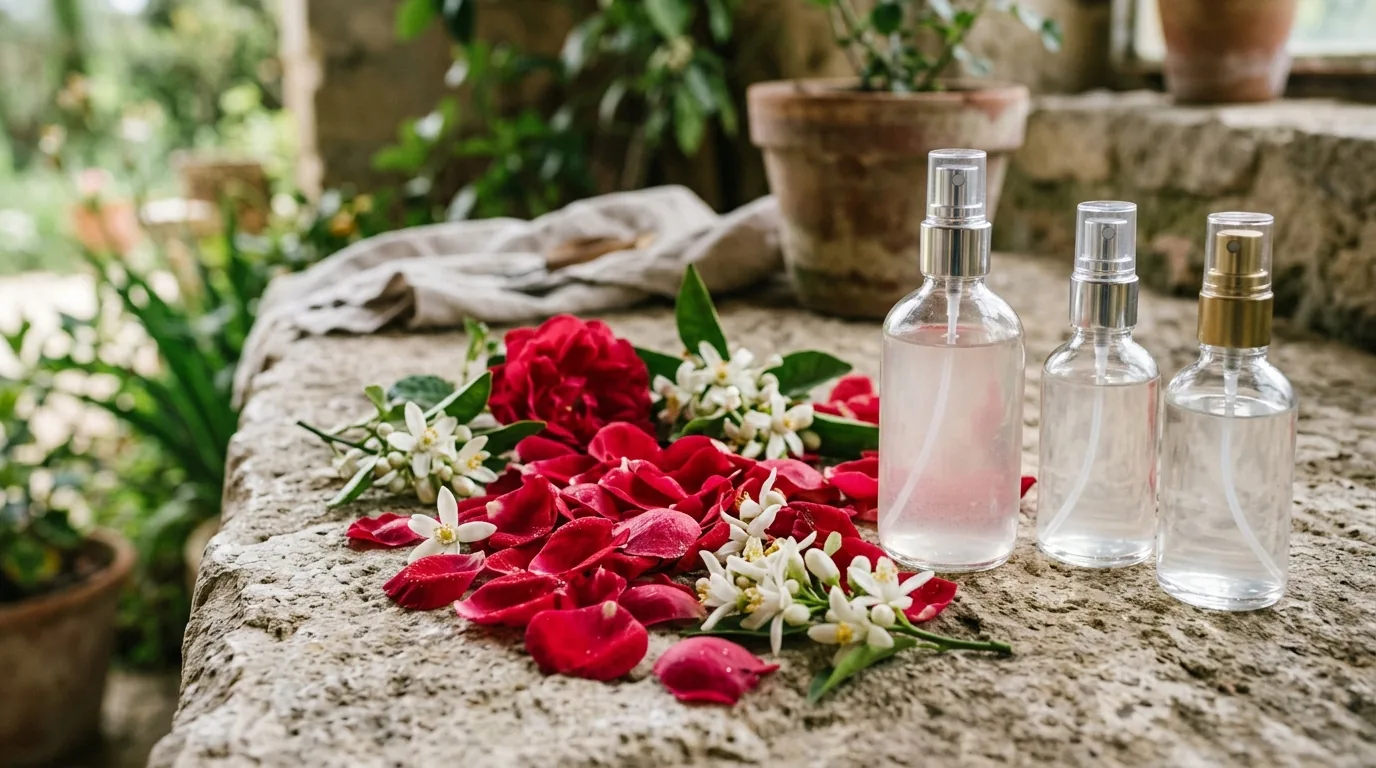
Water or a floral water such as rose water or orange blossom water.
Sourcing Moroccan ingredients for your brand?
Direct wholesale supply & custom private label solutions from our Marrakech workshop.
Need this ingredient in bulk?
Direct workshop supply from Marrakech with custom packaging & private label solutions.
Written by Morocco Cosmetic Production Team
We press argan oil, make black soap and fill and label Moroccan cosmetic products in Marrakech.